خستگی تصمیم‌گیری (Decision Fatigue): چرا مغز ما در پایان روز دیگر توان انتخاب ندارد؟

1100 300x300

مقدمه
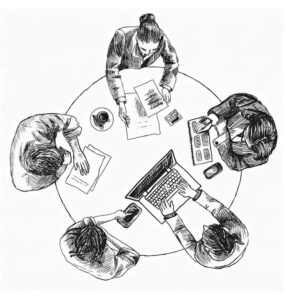
در عصرِ پرسرعت امروز، حجم انتخاب‌ها از همیشه بیشتر است: چه بخوریم؟ چه بپوشیم؟ چطور جواب بدهیم؟ کدام کار را اول انجام دهیم؟
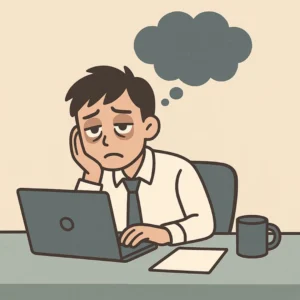
روان‌شناسان پدیده‌ای به نام خستگی تصمیم‌گیری (Decision Fatigue) معرفی می‌کنند؛ حالتی که در آن مغز پس از تعداد زیادی انتخاب، دچار افت انرژی، بی‌حوصلگی و اشتباهات بیشتر می‌شود.
این پدیده یکی از ترندهای مهم روان‌شناسی در سال ۲۰۲۵ است چون با سبک زندگی دیجیتال، این خستگی چند برابر شده است.

خستگی تصمیم‌گیری چیست؟
زمانی که ما در طول روز تصمیم‌های زیادی می‌گیریم، “سوخت ذهنی” که برای تصمیم لازم است کم می‌شود. نتیجه این می‌شود که:

  • تصمیم‌های اشتباه افزایش می‌یابد
  • قدرت اراده پایین می‌آید
  • احساس خستگی و بی‌حوصله‌گی ایجاد می‌شود
  • فرد ترجیح می‌دهد هیچ کاری نکند یا همه را عقب بیندازد
10
11

دلایل افزایش Decision Fatigue در نسل امروز
۱. تعداد انتخاب‌های بی‌سابقه
از انتخاب لباس و غذا تا انتخاب محتوا، مسیر زندگی، شریک عاطفی و حتی برند شامپو.
۲. نوتیفیکیشن‌هایی که مغز را فرسوده می‌کنند
هر پیام، هشدار یا اعلان کوچک مانند یک تصمیم جدید است: “جواب بدم یا بعداً؟”
۳. چندوظیفه‌ای بودن مداوم
سوئیچ کردن بین کارها بیشترین آسیب را به تمرکز می‌زند.
۴. عدم وجود ساختار روزانه
وقتی هر روز بی‌برنامه شروع شود، مغز باید برای کوچک‌ترین چیزها تصمیم بگیرد.

نشانه‌های خستگی تصمیم‌گیری:

  • احساس خستگی ذهنی بدون دلیل
  • سخت شدن تصمیم‌های ساده مثل انتخاب غذا
  • خریدهای ناگهانی و غیرمنطقی
  • عدم توانایی تمرکز
  • تعلل در شروع کارها


راهکارهای علمی برای کاهش Decision Fatigue
۱. ساخت روتین‌های ثابت
هرچه انتخاب‌های کوچک کمتر باشد، مغز برای کارهای مهم‌تر انرژی دارد.
۲. “Rule of 3” – سه کار مهم روز
بیش از سه کار مهم، باعث فرسودگی ذهن می‌شود.
۳. تصمیم‌گیری در ساعات طلایی
صبح‌ها کیفیت تصمیم‌ها بهتر است چون مغز هنوز خسته نشده.
۴. حذف انتخاب‌های غیرضروری
مثل انتخاب لباس، غذا یا زمان ورزش با یک برنامه ثابت.
۵. توقف‌های ذهنی کوتاه بین کارها
تکنیک ۲ دقیقه تنفس تمرکزی باعث بازیابی انرژی مغز می‌شود.

Cb033347b7f3748d8a47e22ed935b031 286x300

جمع‌بندی
خستگی تصمیم‌گیری یک مشکل شخصی نیست، یک نتیجه طبیعی از دنیای پر انتخاب امروز است. با ساخت روتین‌ها و کاهش تصمیم‌های بی‌اهمیت، می‌توانیم بهترین نسخه خودمان باشیم.

🧠 Psychology Trend Article 2025 – English Version

Title: Decision Fatigue: Why Our Brain Runs Out of Willpower by the End of the Day

1100 300x300

Introduction

In today’s fast-paced world, we make more decisions in a single day than past generations made in a week. This constant demand on the brain has led to a trending psychological phenomenon known as Decision Fatigue.

As our digital lives expand, decision fatigue has become more common, more intense, and more damaging.

What Is Decision Fatigue?

Decision fatigue occurs when the brain becomes exhausted from making too many choices. When mental energy is depleted:

  • mistakes increase
  • willpower weakens
  • motivation drops
  • procrastination rises
  • emotional irritability appears
10
11

Why Is Decision Fatigue Rising Today?

1. An Overload of Options

From what to wear and what to eat to career paths and even the type of content we consume—choices are endless.

2. Constant Notifications

Every notification is a micro-decision: “Reply now or later?”

3. Multitasking Culture

Switching tasks drains cognitive resources rapidly.

4. Lack of Daily Structure

Without routines, the brain must decide everything from scratch.

Common Symptoms of Decision Fatigue

  • Feeling mentally drained early in the day
  • Difficulty making even simple decisions
  • Impulse spending or poor choices
  • Inability to focus
  • Chronic procrastination

vidence-Based Strategies to Reduce Decision Fatigue

1. Build Daily Routines

Reduce small choices to preserve brain energy.

2. The “Rule of 3” Tasks

Limit important tasks to three per day for optimal performance.

3. Make Key Decisions Early

Morning decisions are usually clearer and more accurate.

4. Remove Nonessential Choices

Create fixed plans for meals, clothing, workouts, etc.

5. Use Mini Mental Breaks

Two-minute breathing resets improve decision quality.

Cb033347b7f3748d8a47e22ed935b031 286x300

Conclusion

Decision fatigue is not a flaw-it is the brain’s natural response to modern overwhelm.

By simplifying daily choices and establishing healthy routines, we can restore mental clarity and productivity.

📚 References (English)

Books

Baumeister, R. & Tierney, J. (2011). Willpower.

Kahneman, D. (2011). Thinking, Fast and Slow.

Ariely, D. (2010). The Upside of Irrationality.

Academic Articles

Vohs, K. (2019). Annual Review of Psychology.

Pignatiello, G. et al. (2020). Cognitive Science Review.

Lin, Y. (2021). Cyberpsychology Journal.

Reports

APA – Cognitive Load Report (2023).

WHO – Mental Performance Trends (2022–2024).

بدون نظر

دیدگاهتان را بنویسید

نشانی ایمیل شما منتشر نخواهد شد. بخش‌های موردنیاز علامت‌گذاری شده‌اند *